
Swapping Glass for a Film: How ETFE Makes PV Modules Flexible
Key points
The 3,000-plus glistening "bubbles" on the outer wall of Beijing's Water Cube are not glass but a fluoropolymer film called ETFE. The same material is increasingly appearing as the outermost layer of PV modules, replacing heavy glass and making modules light and flexible enough to stick onto metal-sheet roofs and RV roofs, or even roll up and carry away.
| Typical front-film thickness | Film transmittance | Flexible module areal density |
|---|---|---|
| ≈ 50 μm | ≥ 92% | 2–5 kg/m² |
In this article we look at what ETFE actually is, why it can replace glass, and where its weak spots lie.
01What ETFE is
ETFE stands for ethylene tetrafluoroethylene. As the name suggests, it is a copolymer of ethylene and tetrafluoroethylene alternating in a roughly 1:1 ratio. It was commercialised in the 1970s, with well-known trade names including Tefzel™ and Fluon®.
You can think of it as "half polyethylene, half Teflon":
- Tetrafluoroethylene units: bring strong C–F bonds, giving the material excellent UV resistance, chemical resistance and non-stick properties.
- Ethylene units: keep the toughness and melt processability of ordinary plastics, so it can be blown into transparent films tens of microns thick, much like plastic film.
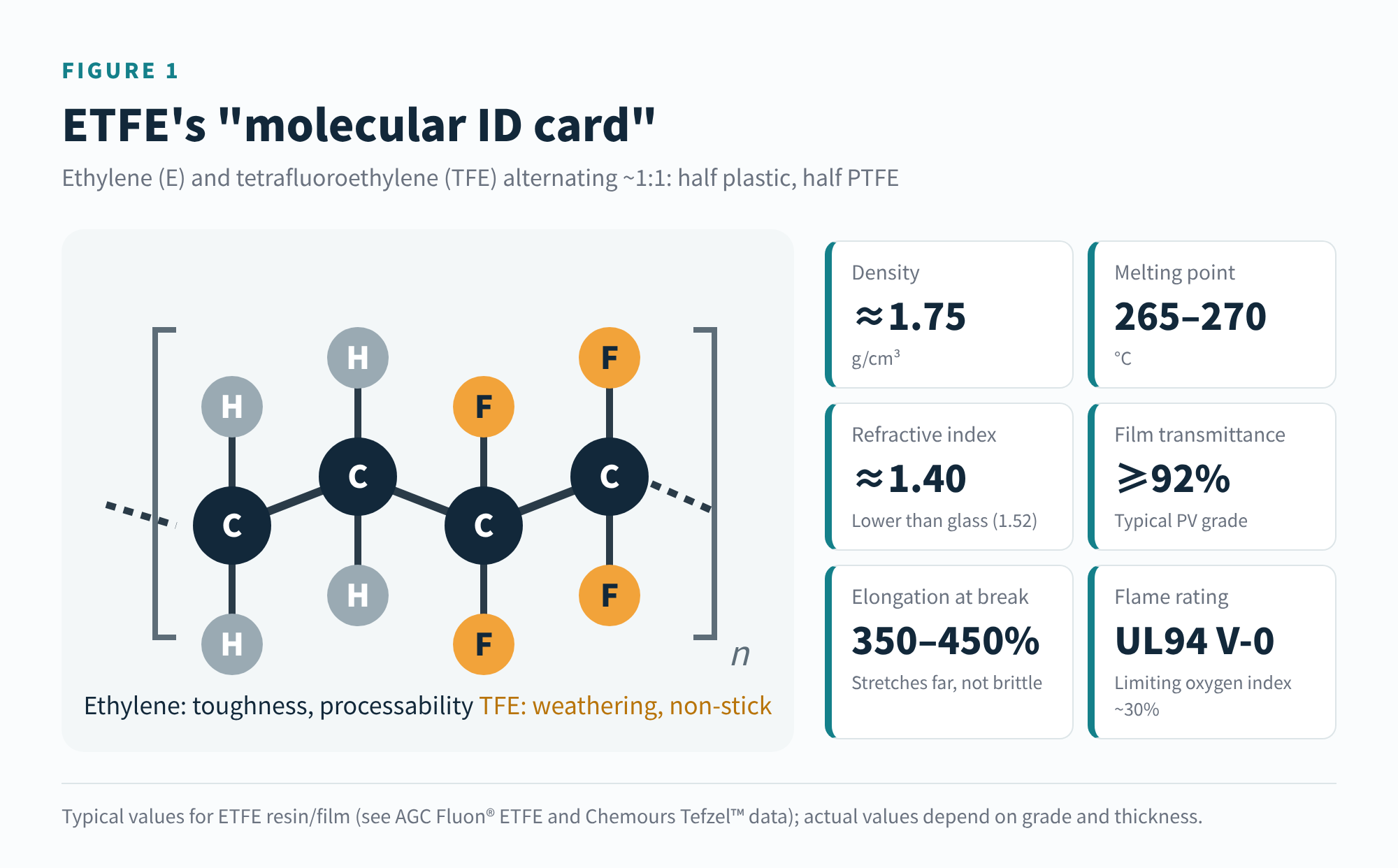
Figure 1 ETFE's molecular structure and typical properties
In architecture ETFE has long been a "star material": the Water Cube, the Eden Project in the UK and Munich's Allianz Arena all use it as a translucent envelope, and it has served outdoors for well over a decade, in some cases more than twenty years. Letting light through outdoors for the long term is exactly what the light-facing side of a PV module needs most.
02Where it sits in a flexible module
A conventional crystalline-silicon module is a "sandwich": glass, encapsulant, cells, encapsulant, backsheet, with an aluminium frame around the edge. The 3.2 mm glass is by far the heaviest part.
The idea behind flexible lightweight modules is simple: remove the glass and remove the frame. The outer glass is replaced by a transparent ETFE front film. To make up for the strength lost with the glass, a reinforcing layer such as glass fibre is often added in between, with a lightweight backsheet or composite backing on the rear.
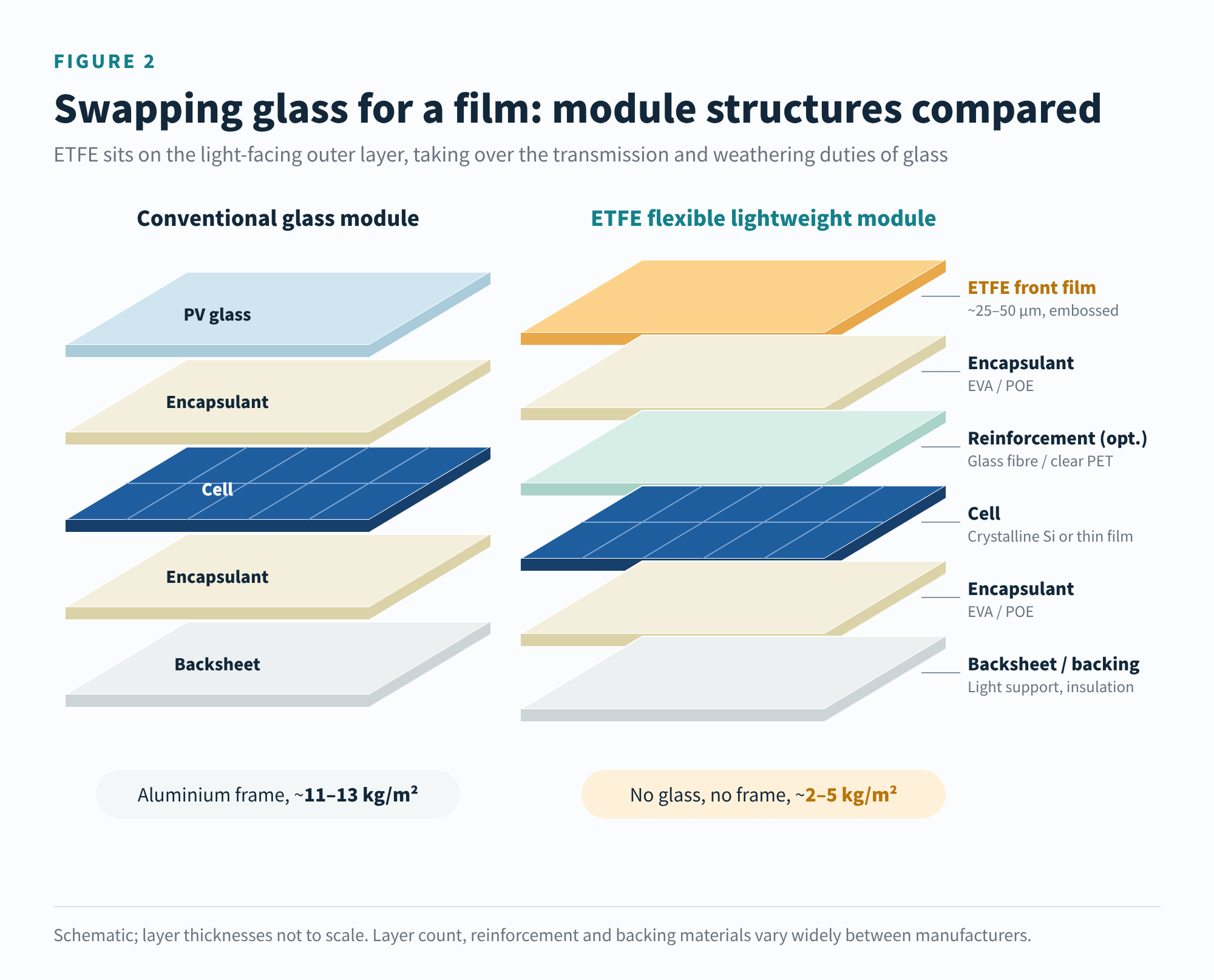
Figure 2 Conventional vs. ETFE flexible lightweight module structure (schematic)
How much lighter? Look at the cover alone: 3.2 mm glass weighs about 8 kg per square metre, while a 50 μm ETFE film weighs only about 0.09 kg, less than 1/90 of the glass. For the whole module, areal density can drop from 11–13 kg/m² to 2–5 kg/m², a weight reduction of about 60%–80%.
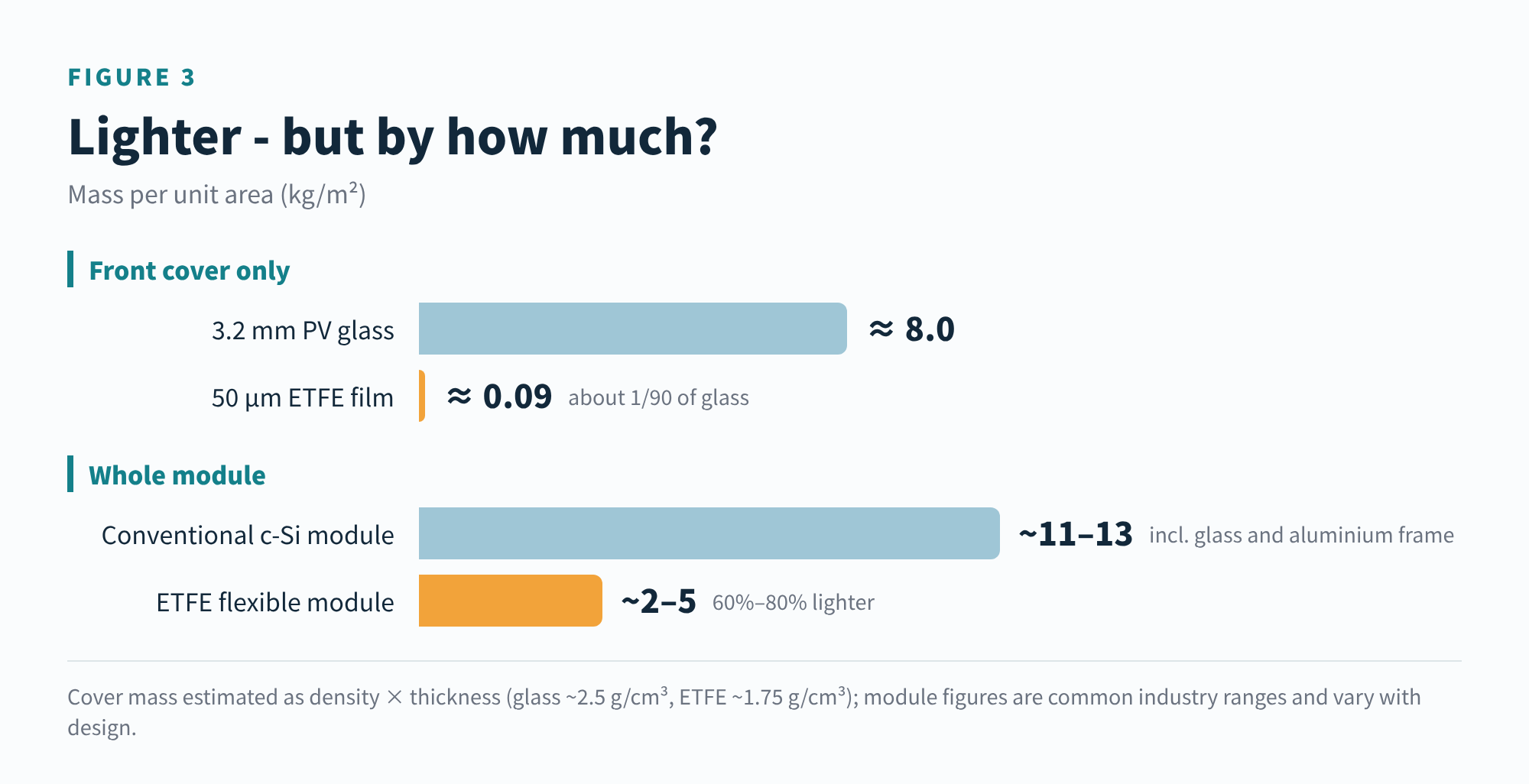
Figure 3 Mass per unit area of covers and whole modules
03Why ETFE in particular
Plenty of plastics can be made into transparent films, so why do flexible modules favour ETFE for the front? Because it clears the bar on several key measures at once:
- Good transmittance: PV-grade ETFE films typically transmit more than 92% of light; with a refractive index of about 1.40, closer to air than glass (about 1.52), it loses less to surface reflection.
- Stands up to sunlight: the C–F bond is strong and hard for UV to break. By contrast, the PET front films common in early flexible modules tend to yellow and chalk, which is the root of the lifetime gap between the two.
- Sheds dirt: low surface energy means dust and bird droppings struggle to stick and rain washes them away, the so-called "self-cleaning" effect.
- Heat-resistant and flame-retardant: melting point about 265–270 ℃ (varies slightly by grade), long-term service temperature up to around 150 ℃; inherently hard to ignite, reaching UL94 V-0.
- Good electrical insulation: high volume resistivity and very low water absorption (<0.03%), which helps module insulation.
- Tough and flexible: elongation at break of 350%–450%, so it resists cracking when bent and suits curved surfaces and repeated rolling.
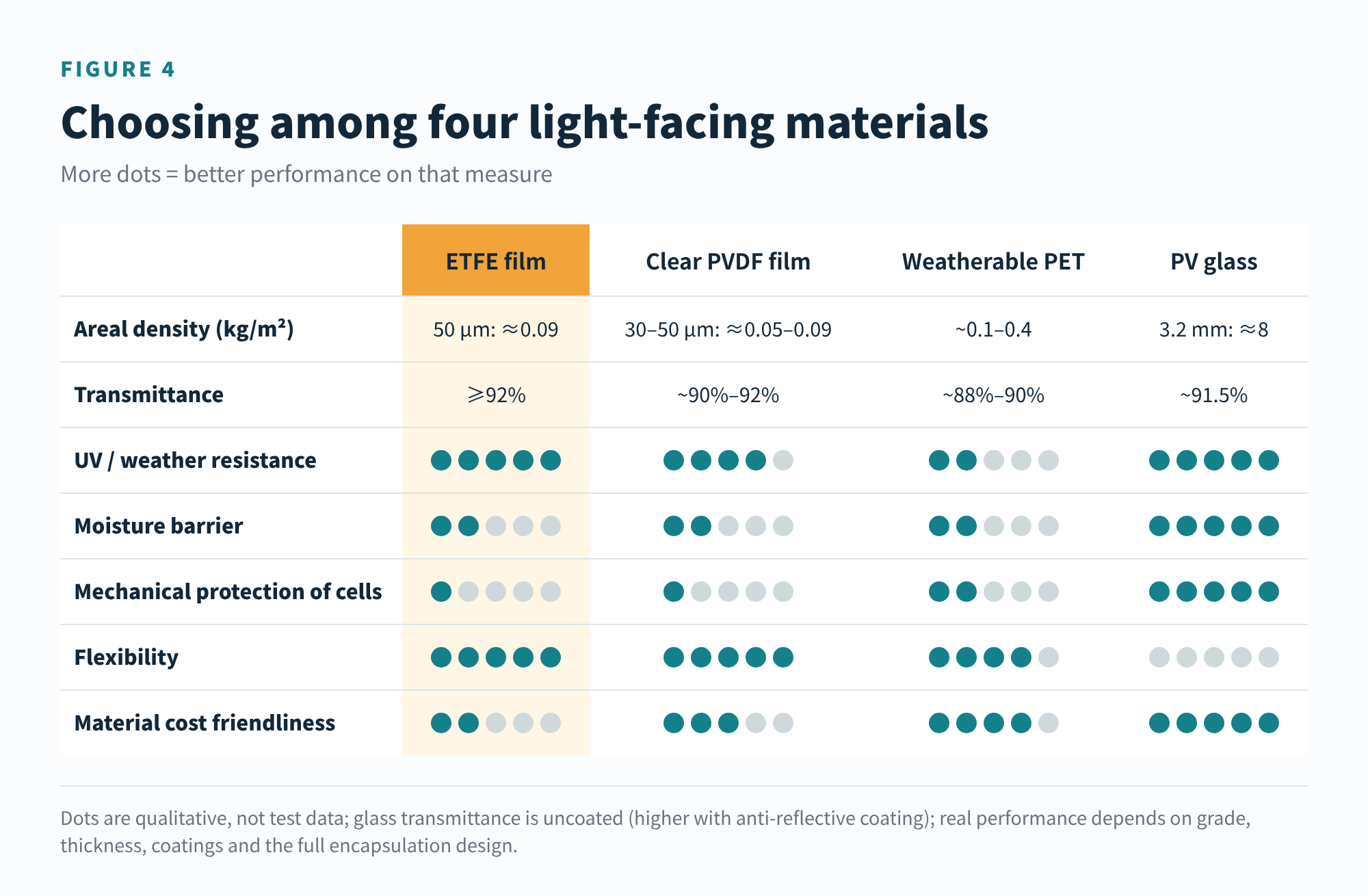
Figure 4 Qualitative comparison of light-facing materials
ETFE is not the best on every measure, but it is one of the few materials that is transparent, weather-resistant and flexible all at once, and a flexible module's front film cannot do without any of the three.
04Two easily overlooked process details
Detail 1: how does a non-stick material stay stuck?
ETFE's non-stick nature is great for staying clean but a problem for encapsulation: it naturally does not bond well with EVA or POE encapsulants. So the bonding face of PV-grade ETFE film must be surface-activated (corona, plasma, etc.) to introduce polar groups and raise surface energy; only then does lamination deliver reliable peel strength.
Note that the treatment effect decays with storage time and conditions. Incoming surface tension, identifying and protecting the treated face from contamination, and shelf-life management are all real control points on the production line.
Detail 2: what are those little cells on the surface for?
Look closely at a flexible module and you will often see a fine honeycomb or grid texture on the surface. This is embossing. It does three main things: it reduces glare from specular reflection; it gives some reflected light a "second chance" to enter, which helps especially at oblique angles; and it hides fine scratches while improving appearance and feel.
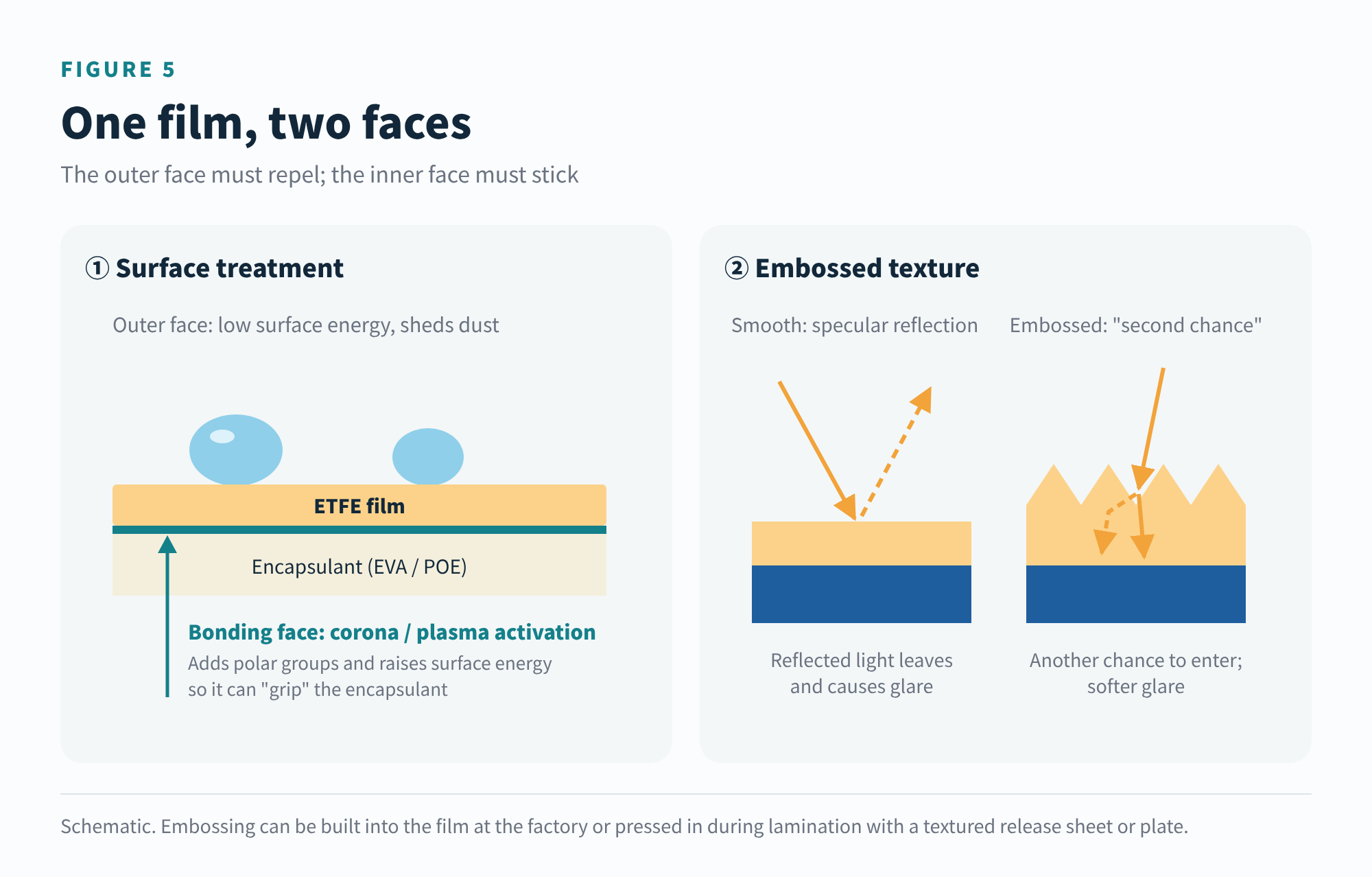
Figure 5 Surface treatment and embossed texture of ETFE film (schematic)
05Where it is used
ETFE flexible modules are not meant to replace conventional glass modules; they go where glass modules cannot:
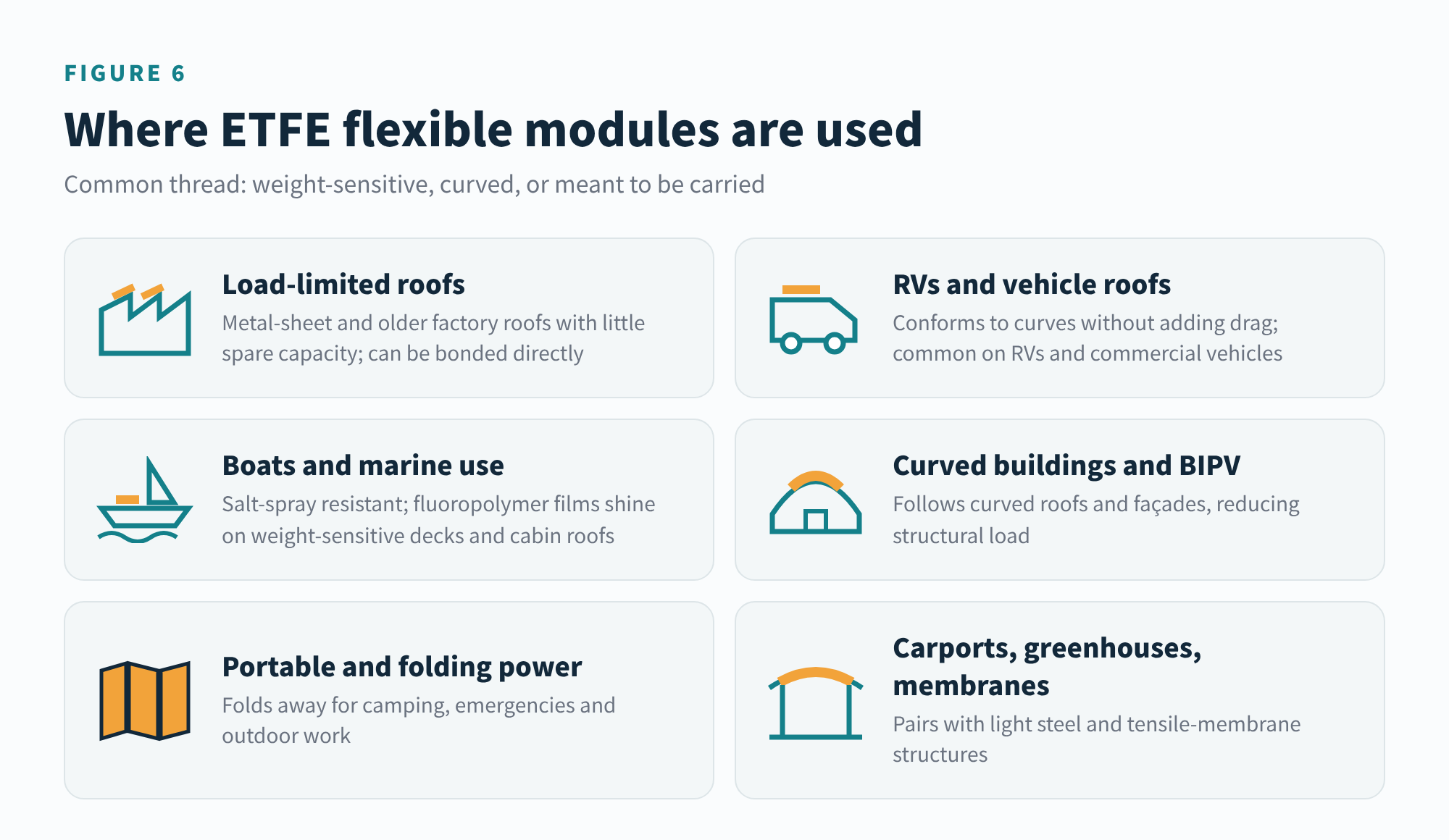
Figure 6 Typical applications of ETFE flexible modules
The biggest of these is commercial and industrial roofs with limited load capacity. Many metal-sheet roofs and older factory buildings have little design margin and cannot take conventional systems weighing a dozen or more kilograms per square metre (more with racking). Lightweight modules can be bonded directly with structural adhesive, with no drilling and no damage to the waterproofing, so these "dormant" roofs can generate power too.
06ETFE is not a cure-all
Swapping glass for a film buys lightness and flexibility, but there is inevitably a price. To be fair, ETFE flexible modules still face several hurdles:
- Weak mechanical protection: a 50 μm film cannot stop hail or foot traffic, so the risk of cell micro-cracks is clearly higher than with glass modules. That is why reinforcing layers, minimum bending radii and proper installation methods are needed.
- Poorer moisture barrier than glass: glass blocks water vapour almost completely, whereas fluoropolymer films let it through slowly. Crystalline-silicon modules rely on the encapsulant system and edge sealing; thin-film cells that are more moisture-sensitive, such as CIGS and perovskite, usually need an additional dedicated high-barrier film.
- UV passes through: ETFE itself is not harmed by UV, but it does not block much of it either, so the encapsulant and reinforcing layers beneath face the UV directly, raising the bar for material selection.
- Poor heat dissipation: when bonded flat to a roof there is almost no ventilation behind the module, so it runs hotter, costing yield and accelerating ageing.
- Soft surface: far less hard than glass, so care is needed to avoid scratches during installation and maintenance.
- Cost and standards: fluoropolymer resin is not cheap, and current module standards were built mainly around rigid modules. IEC 61215-2:2021 has added a bending test for flexible modules (MQT 22: 25 rolling cycles at the manufacturer's minimum bending radius), but how best to assess flexible modules for hail, mechanical load and fire is still being worked out.
Is the front film genuine ETFE or PET? Is there a reinforcing layer, and what is the backing? Is the encapsulant EVA or POE? Is it certified to IEC 61215 / 61730 (and, for flexible modules, has it passed the MQT 22 bending test)? Does the manufacturer clearly state the minimum bending radius and installation method? These matter more than "how far it can bend".
07Final thoughts
From the Water Cube's air cushions to flexible modules on rooftops, ETFE does the same job: letting light through outdoors, clearly and for a long time.
It frees PV from the weight of glass and opens up many surfaces that could not take PV before. But the balance between "light" and "reliable" still depends on the overall design of front film, encapsulant, reinforcement, backsheet and even installation method.
A good film is the starting point, not the whole story.
Have you used ETFE flexible modules in a project? How did they perform? We would be glad to hear from you.
References
- AGC Chemicals, Fluon® ETFE technical information
- Chemours, Tefzel™ ETFE Film Properties Bulletin
- IEC 61215-2:2021, Terrestrial photovoltaic (PV) modules – Design qualification and type approval – Part 2: Test procedures (MQT 22 bending test); see Sinovoltaics: IEC 61215 MQT 22: Bending Test for Flexible Solar Modules
- iAbound PV (艾邦光伏网): industry materials on transparent front sheets for lightweight PV modules (in Chinese)
A PV R&D and technology team with 10+ years of experience | In-depth technical knowledge sharing
Materials · Reliability · Failure Analysis · Standards & Certification · Products · Processes
Exploring AI + PV; collaboration welcome
Disclaimer:
1. Original content reflects the authors' personal views only, is for reference only and does not constitute investment advice.
2. Reposted and cited content is credited to its source, out of respect for original work.
3. Some content was produced with AI assistance (chart generation, data retrieval, concept explanations, etc.); the core framework and key content were written by our technical team and reviewed by people.
4. If anything is inaccurate or infringes your rights, please leave a message or contact us and we will deal with it.