
Will China's PV Market Improve by Year-End? Our View: The Fall Has Stopped, but Recovery Is Still Far Off
Conclusions first
● Prices most likely bottomed in July. Polysilicon has recovered from about CNY 32/kg to around CNY 40/kg, and a fresh low looks unlikely.
● Year-end through Q1 next year is a "weak repair", not a "recovery". Module prices cannot rise; companies are still losing money, just less of it.
● A real turnaround needs capacity to exit. The three mandatory national standards taking effect on 1 January next year are the first test, and an industry-wide profit recovery is unlikely before the second half of 2027.
Around the National Day holiday, the question we were asked most often was: PV has had such a hard year; will things be any better by year-end?
This article is a judgement based on public data. The price ranges and scenarios in it are subjective estimates and do not constitute investment advice. Data are as of 21 October 2026.
01First, how hard this year has been
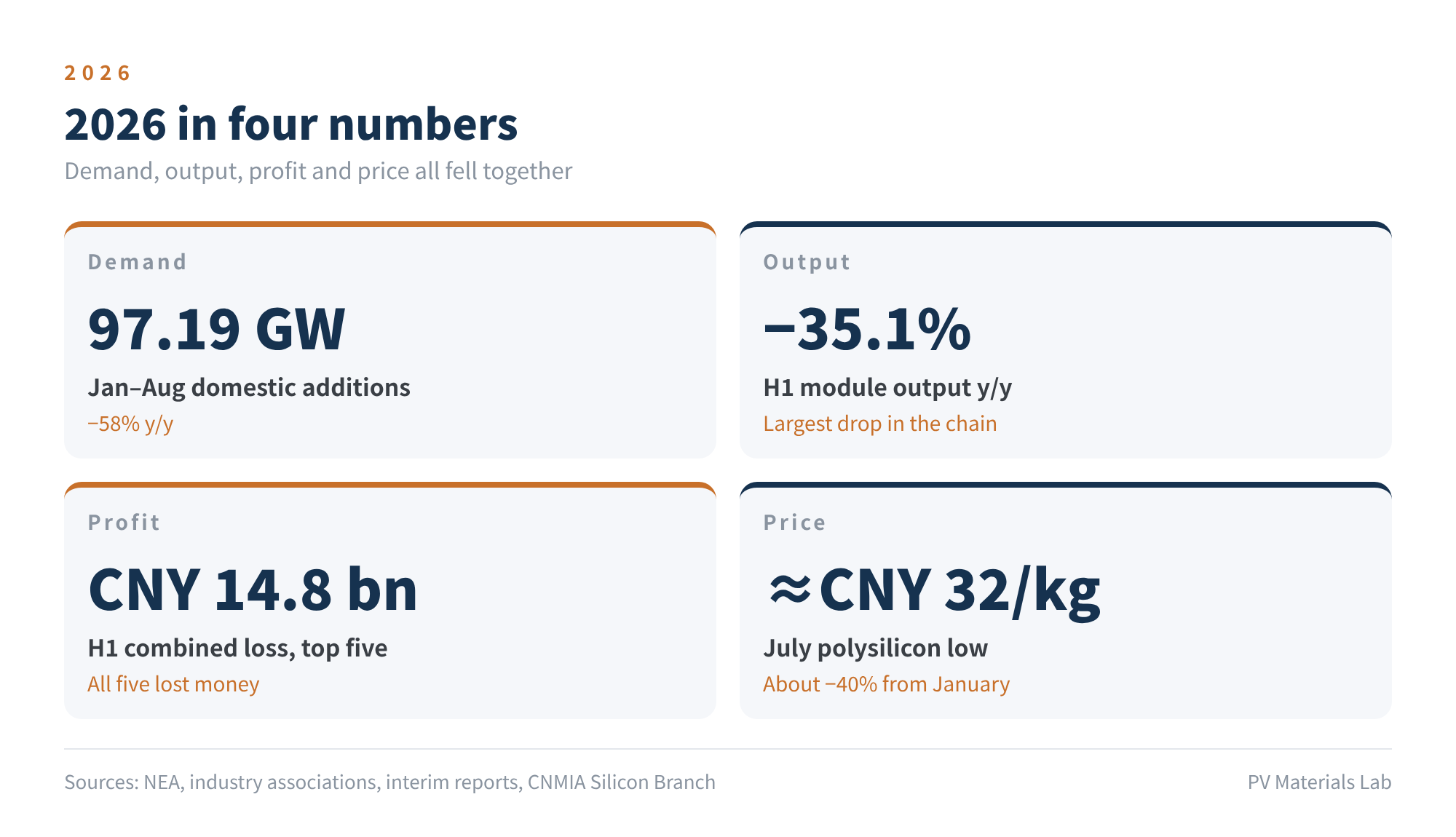
Figure 1 2026 in four numbers
This year's difficulty is that demand, output, profit and price all fell together.
At home, new installations in January–August were 97.19 GW, down nearly 60% year on year (from about 232.7 GW a year earlier). The reason is well known: last year's rush to install in the first half, ahead of the new market-based power pricing policy, pulled this year's demand forward. Returns on new projects now depend on "mechanism price" auctions and market trading, and investors are still relearning how to run the numbers.
On exports, VAT export rebates for PV products were fully removed from 1 April. Exports hit a three-year monthly high in March and then fell back; module exports in the first half were about 128 GW, roughly flat on last year, and cumulative exports turned negative year on year after July.
Squeezed from both ends, module output in the first half fell 35.1% year on year, the largest drop of any link in the chain. Tongwei, LONGi, JinkoSolar, JA Solar and Trina Solar lost a combined CNY 14.8 billion or so.
02Three signs the decline has stopped
That is the gloomy part. The following three things are why we think "the worst is passing".
Sign one: domestic installations are up year on year again. New additions in June–August totalled 37.6 GW, up 14.8% year on year, and August alone was up 50%. Of course, part of this reflects the sharp drop in last year's base, but it at least shows demand is no longer falling.
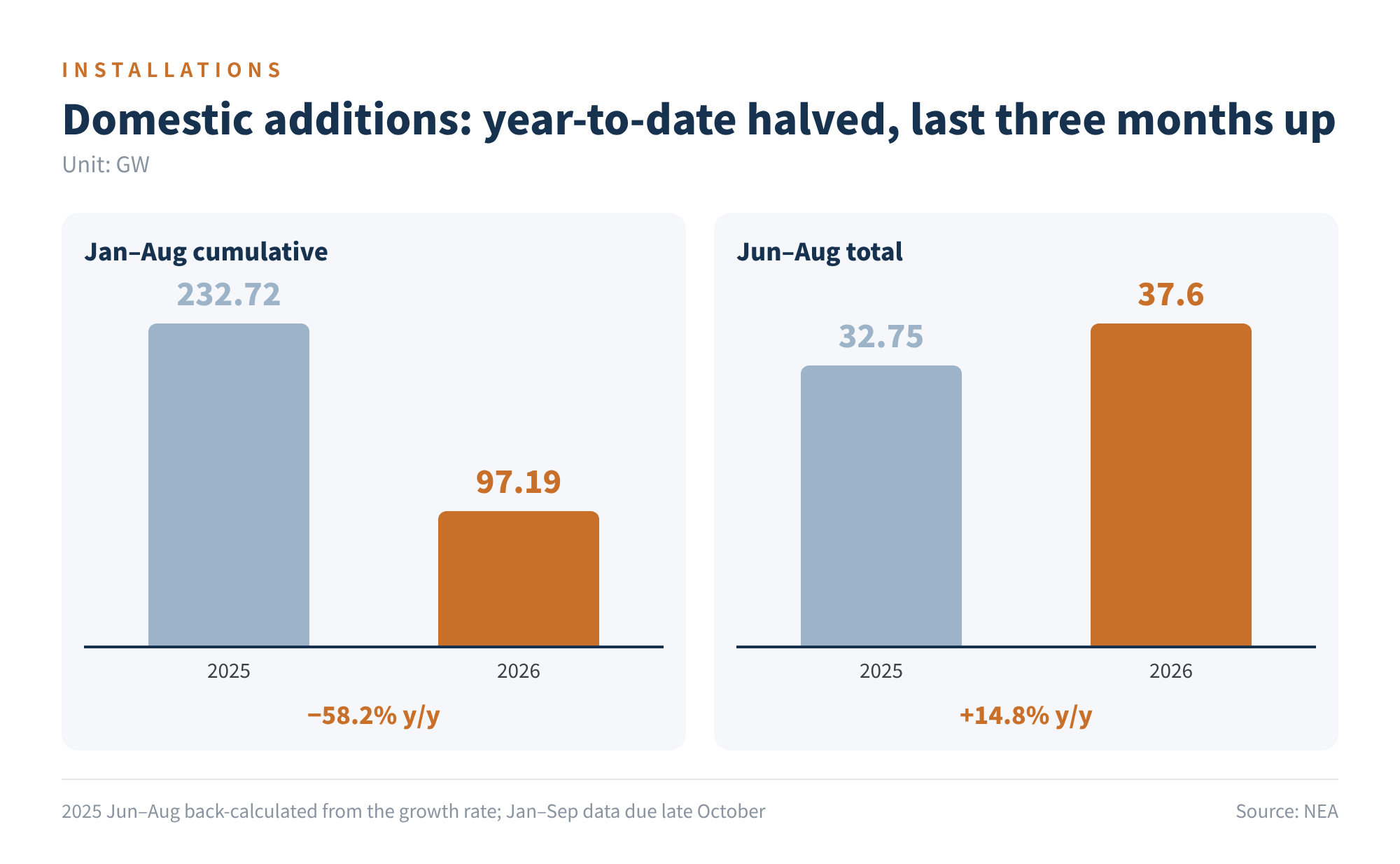
Figure 2 Domestic additions: year-to-date vs. the last three months
Sign two: prices have climbed out of the hole. July was the low point of this cycle, with polysilicon at about CNY 32/kg, roughly 40% below January. Since then, driven by voluntary production cuts and the new cost-accounting standard, it returned to around CNY 40/kg in September, a rebound of about a quarter. PV glass also rose 6%–10% in September. In October prices have held: the CNMIA Silicon Branch's data for 17 October show n-type rod-type recharging polysilicon at CNY 43/kg and granular at CNY 40.3/kg, unchanged for consecutive weeks.
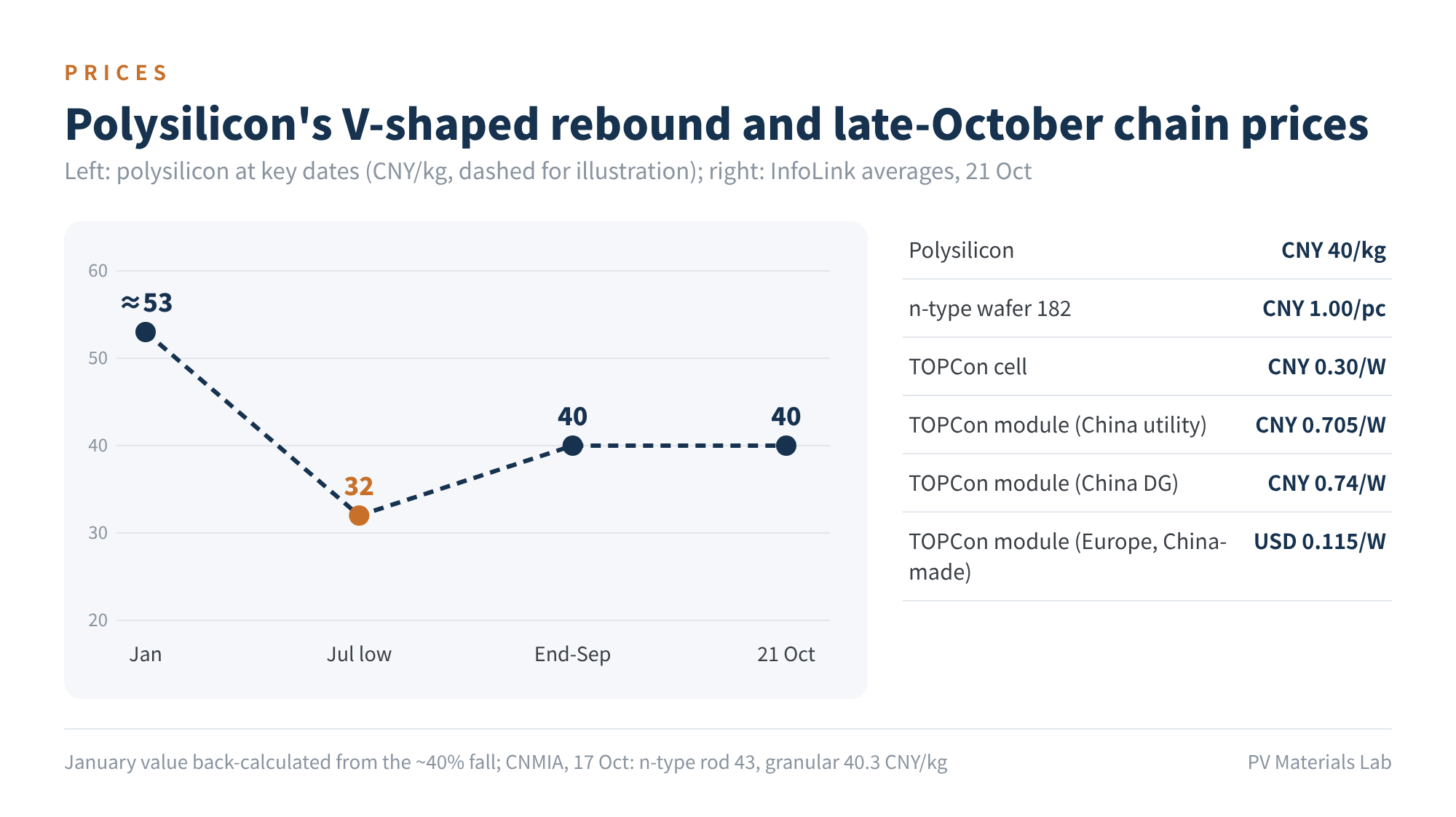
Figure 3 Polysilicon's V-shaped rebound and late-October chain prices
Sign three: financial statements are improving at the margin. Total losses are still large, but operating cash flow has turned positive at Tongwei, JinkoSolar and JA Solar, and Trina's H1 operating cash flow exceeded CNY 5 billion. LONGi's Q2 gross margin recovered to 3.13%, up 4.31 percentage points quarter on quarter, and Trina made a small profit of about CNY 13 million in Q2.
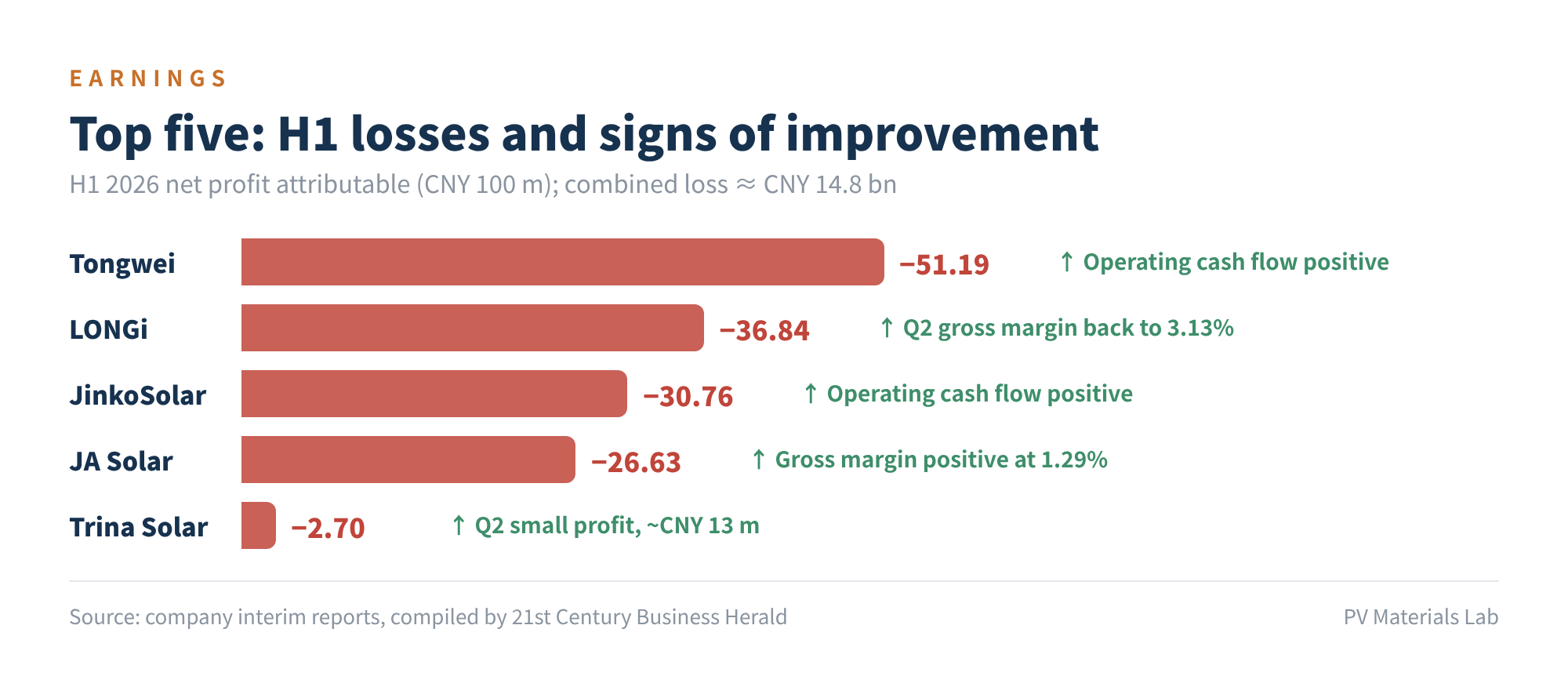
Figure 4 Top five: H1 losses and signs of improvement
These three signs show that things are "no longer getting worse", not that they are "starting to get better". Between the two lie three heavy weights.
03Three weights holding the market down
Weight 1 | Price rises do not pass through: upstream up, modules flat
- Polysilicon: up about 25% from the low
- Modules: InfoLink's 21 October average for China utility-scale TOPCon was CNY 0.705/W, in a range of CNY 0.65–0.73/W
- Production schedules: about 47 GW of modules scheduled in September, down month on month
This rally started at polysilicon and rests on production cuts and self-discipline, not on demand. At the module end, sellers face price pressure from state-owned utilities' tenders and hesitant end buyers; quotes not only failed to follow but were softening in late September. Chinese-made TOPCon modules in Europe averaged about USD 0.115/W in late October, also weak.
Meanwhile, silver paste prices are still rising. Module and cell makers are squeezed in the middle: costs up, selling prices flat. Share prices in the third quarter reflected the market's view, with the PV index down about 15% for the quarter, underperforming the broader market.
Weight 2 | No new demand: domestic relies on year-end, overseas is digesting
- Association forecast at the start of the year: 180–240 GW of new domestic capacity for the year
- To reach the low end: about 83 GW more needed in September–December
- Same period last year: about 86 GW
Do the sums: to reach the bottom of the association's forecast range, installations in the last four months of this year need to roughly match the same period last year. Judging by year-on-year growth in June–August, that target is within reach, but only just. January–September data, due in late October, will be the first check.
Overseas, the cost increase from losing the rebate is still being absorbed. India has required domestically made cells for grid-connected projects since June, and Chinese cell exports to India fell by more than 80% in a single month. Trade barriers in the US and Europe keep rising. Holding export volumes steady is already an achievement; exports are unlikely to provide extra demand at year-end.
Weight 3 | Capacity has not really exited: it is "paused", not "retired"
- Utilisation: polysilicon utilisation expected to fall to about 35% from October; the whole chain averages under 40%
- Inventory: polysilicon inventory was about 572,000 tonnes at the end of September and still rising
- Retirement: according to the standards committee, 25%–60% of outdated polysilicon capacity needs to be phased out
Current prices are held up by "everyone producing less together". Lines are idle, but they still exist. As soon as prices return to profitable levels, the urge to restart will appear; in October there were already reports of "two companies restarting and six cutting output". The CNMIA Silicon Branch expects China's polysilicon output to fall to about 105,000 tonnes in October against demand of only about 88,000 tonnes, so stocks are still building month by month. Nearly 600,000 tonnes of inventory is the heaviest weight over prices.
What can really force capacity out are the three mandatory national standards taking effect on 1 January next year (energy consumption limits for polysilicon and for monocrystalline silicon, and minimum energy-efficiency values for modules and inverters), together with the general rules for cost-accounting models issued in July. The former set hard thresholds on energy use and efficiency; the latter provide a basis for determining "sales below cost". The tools exist; how firmly they are enforced will only become clear next year.
04Our forecast: the next six months in three phases
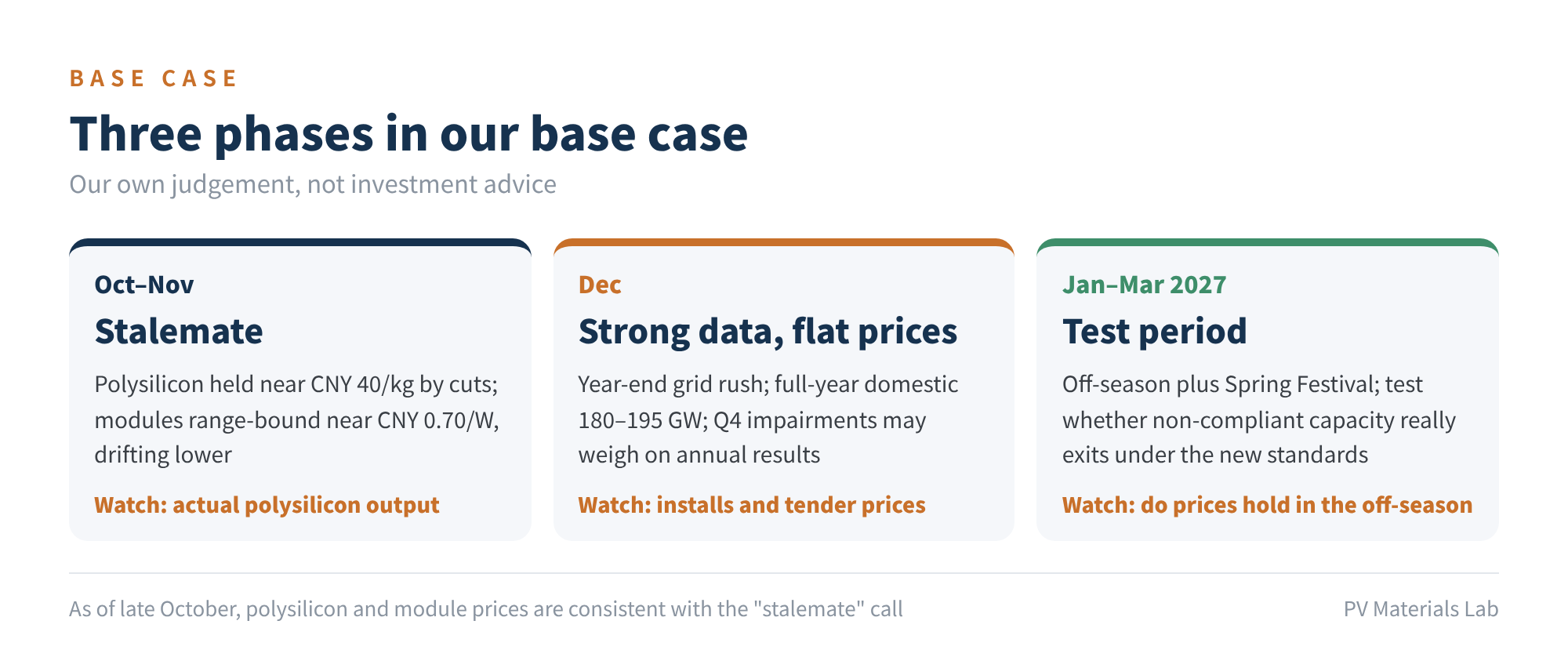
Figure 5 Three phases in our base case
October–November: stalemate. Polysilicon makers hold prices around CNY 40/kg through output cuts; downstream buyers purchase only what they need and will not restock on a large scale. Module prices move in a narrow band around CNY 0.70/W, drifting slightly lower. The thing to watch most in this phase is actual polysilicon output, not quoted prices. Data for the first three weeks of October are consistent with this view.
December: strong data, flat prices. The year-end grid-connection deadline will bring the year's highest monthly installations. We estimate full-year domestic additions of 180–195 GW, the lower half of the association's forecast range. But the scale of this year-end demand cannot support higher module prices. One more caution: the fourth quarter is when asset impairments are usually booked, and with the efficiency standards about to take effect, impairment pressure on outdated lines is considerable; annual results may look bad once again. Improving operations and ugly financial statements will happen at the same time.
January–March 2027: the test period. The traditional off-season plus the Spring Festival make a quarter-on-quarter drop in demand very likely. The real focus is the supply side: after the standards take effect, does non-compliant capacity actually stop, or keep running in another form? If prices hold through the off-season in Q1, that would be a fairly reliable sign of a bottom.
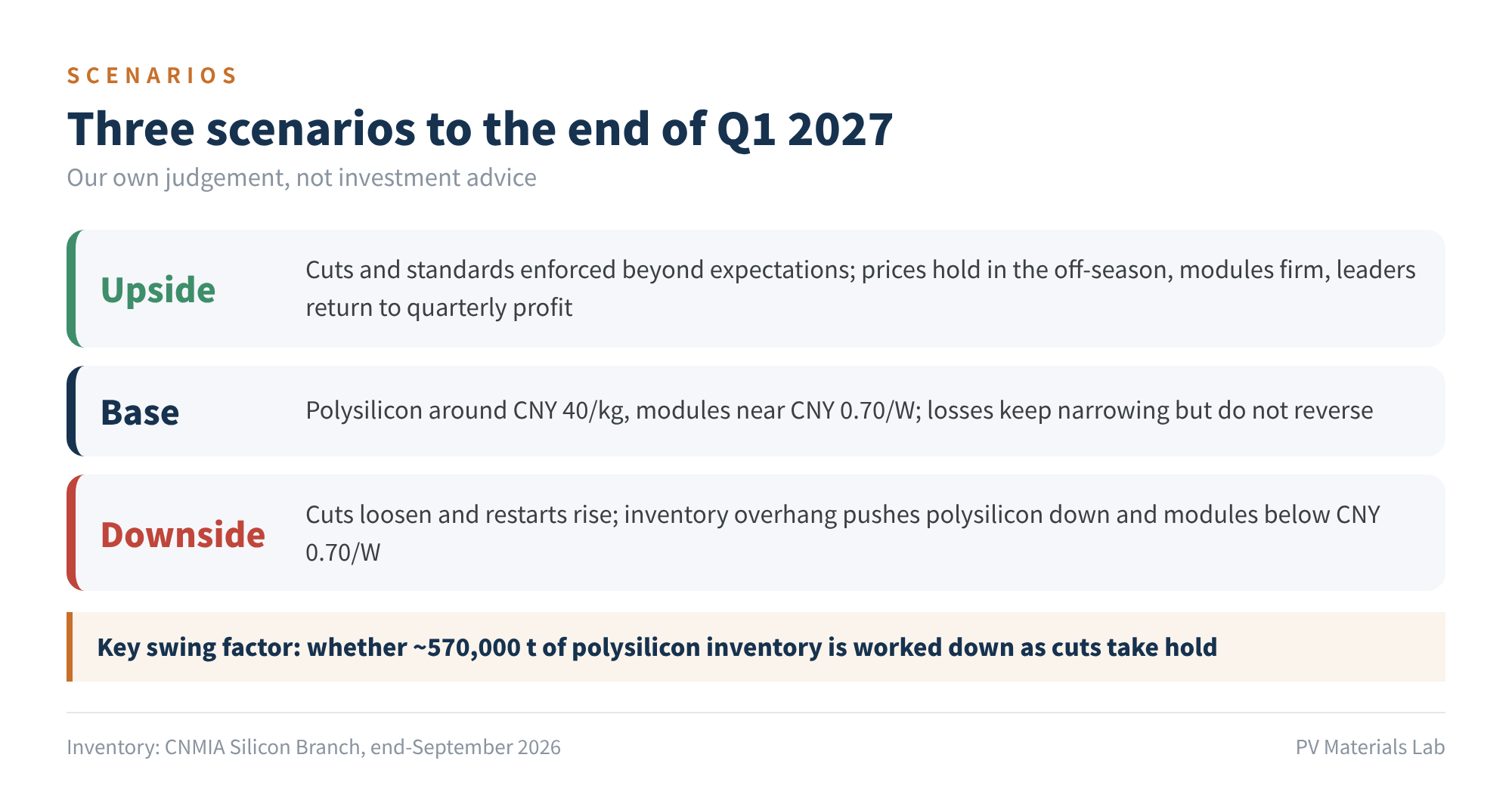
Figure 6 Three scenarios to the end of Q1 2027
Back to the question in the title: will things improve by year-end? Our answer is that they will be better than in the first half, but only modestly. More precisely, the industry is moving from "bleeding" to "the bleeding has stopped", and is still some way from "making blood again".
05Six things to watch next
- Actual polysilicon output: whether it really falls to around 105,000 tonnes a month in October–November, and whether inventory stops building. This is the foundation of the whole price chain.
- Module tender prices: whether large state-owned tenders can hold CNY 0.70/W. If not, upstream price gains will sooner or later be given back.
- Installation data: January–September figures due in late October, and the strength of the year-end grid rush in November–December, decide whether the year ends at 180 GW or 200 GW.
- Q3 results (end of October): focus on quarter-on-quarter gross margin and operating cash flow, not net profit.
- Enforcement of the standards: whether there are spot checks, public notices and real shutdowns after 1 January.
- Provincial 2027 mechanism-price auctions: their volume and prices directly set the ceiling for domestic demand next year.
06Final thoughts
For colleagues working on technology, processes and quality on the front line, the market means something far more concrete than share prices.
On the one hand, cost-reduction pressure will not ease in the short term, and we should be prepared for that. On the other hand, the rules of the game really are changing: efficiency now has a threshold and cost has an accounting standard, so the room for "cutting quality to cut prices" is being narrowed step by step by policy. Efficiency gains, silver reduction and reliability, technical work that the price war had pushed into a corner, are becoming what companies need to survive.
The industry is moving from bleeding to stanching the wound, but is still far from healthy; at the bottom of a cycle, bad news is plentiful and patience is scarce.
Is your part of the chain feeling any recovery yet? We would be glad to hear from you.
References
- NEA: national power statistics for January–August 2026 (as compiled by PVmeng, China Energy News and others, 24 Sep 2026) (in Chinese)
- 21st Century Business Herald: "Volume and price under pressure in H1; turning point for the PV chain may be near" and "PV industry governance at a critical moment; demand growth expected to resume in 2027" (24 Jul 2026) (in Chinese)
- 21st Century Business Herald / Tencent News: "Top five PV makers lose CNY 14.8 bn in H1, but signs of a bottom are clear" (2 Sep 2026) (in Chinese)
- InfoLink Consulting: PV spot prices (21 Oct 2026); analysis of China's module and cell exports, June 2026
- CNMIA Silicon Branch: weekly polysilicon reviews (30 Sep and 17 Oct 2026, via East Money and Stockstar) (in Chinese)
- Securities Times: "Institutions expect polysilicon output-cut plan to take effect from October" (24 Sep 2026) (in Chinese)
- Solarbe market channel (late September 2026) (in Chinese)
- National Business Daily: "Three mandatory national PV standards released" (2 Jul 2026) (in Chinese)
- Sina Finance: "After H1 losses of over CNY 20 bn, PV 'anti-involution' gets a regulatory yardstick" (28 Jul 2026) (in Chinese)
- Tencent News: "China's 2026 PV additions may fall by more than 20%" (6 Feb 2026) (in Chinese)
- 21st Century Business Herald: "Export tax rebate for PV cells comes to an end" (2 Apr 2026); "PV share prices in Q3" (4 Oct 2026) (in Chinese)
- Sinolink Securities power equipment team: main-chain production schedule tracker (11 Sep 2026) (in Chinese)
A PV R&D and technology team with 10+ years of experience | In-depth technical knowledge sharing
Materials · Reliability · Failure Analysis · Standards & Certification · Products · Processes
Exploring AI + PV; collaboration welcome
Disclaimer:
1. Original content reflects the authors' personal views only, is for reference only and does not constitute investment advice.
2. Reposted and cited content is credited to its source, out of respect for original work.
3. Some content was produced with AI assistance (chart generation, data retrieval, concept explanations, etc.); the core framework and key content were written by our technical team and reviewed by people.
4. If anything is inaccurate or infringes your rights, please leave a message or contact us and we will deal with it.