
MC4 vs. MC4-Evo 2: What Is Actually Different?
Key points
Put two modules from different batches side by side and the connectors coming out of their junction boxes look identical. Look closer and one housing has a series of ribs; check the datasheets and one says MC4, the other MC4-Evo 2. Both come from Stäubli and mate with each other, yet their ratings differ.
Here we set out the differences clearly: what is different, what has not changed, whether they can be mixed, and which to choose on a project.
01The short answer
MC4-Evo 2 is the MC4's upgrade for 1500 V systems. The mating interface, 4 mm pin and MULTILAM contact band are carried over; the housing, insulation design and ratings have been redone.
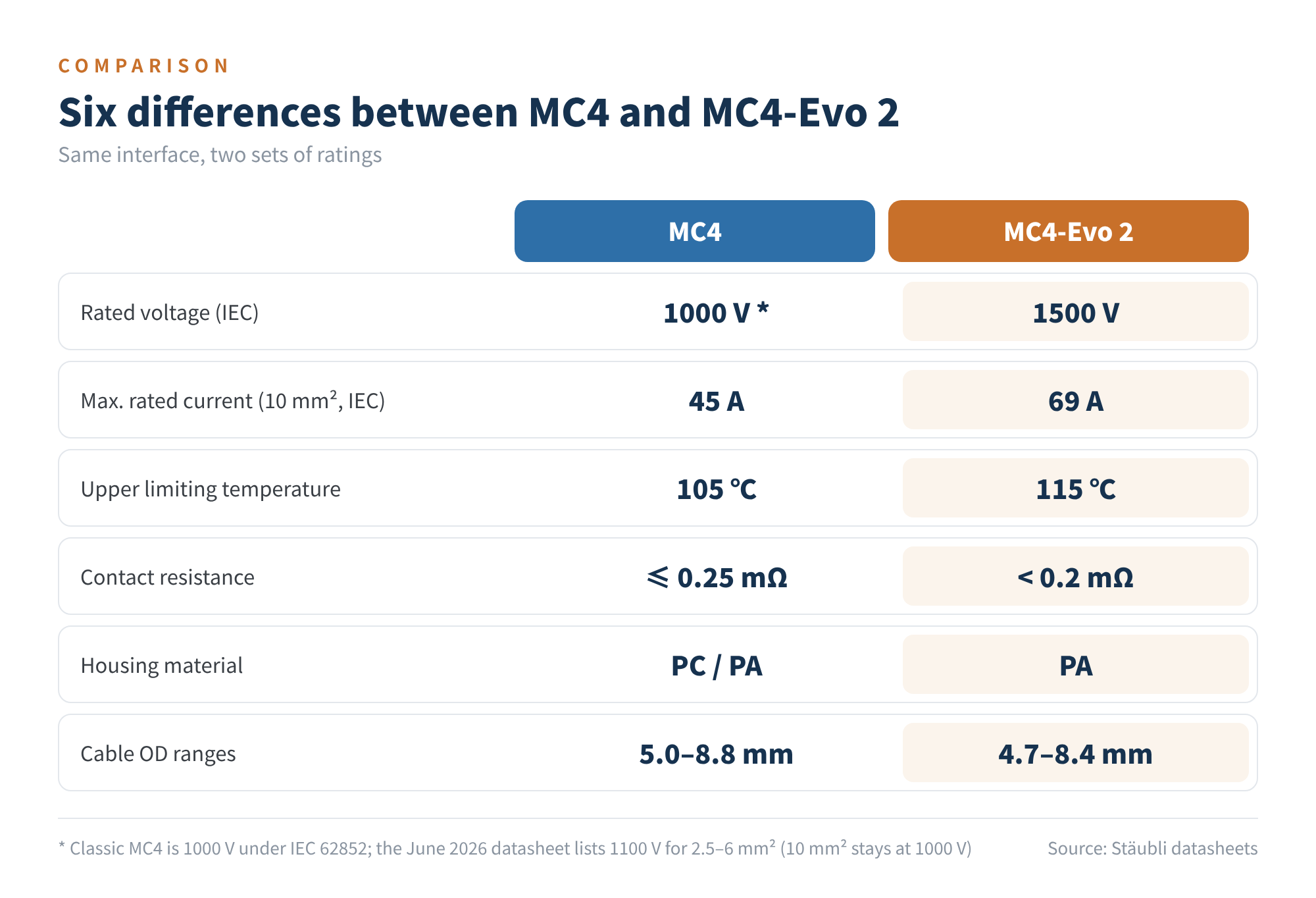
Figure 1 Six differences between MC4 and MC4-Evo 2
The classic MC4's UL certification includes a 1500 V rating, and TÜV once granted 1500 V under the older 2 PfG 2330 specification. Under IEC 62852, however, its rated voltage has long been 1000 V; Stäubli's June 2026 MC4 datasheet now lists an IEC rating of 1100 V for the 2.5, 4 and 6 mm² versions, while 10 mm² stays at 1000 V. Evo 2 is rated 1500 V under all three systems: IEC, UL and JET. Always check the datasheet for the batch you use.
02Four real differences
Difference one: voltage. The IEC rated voltage rises from 1000 V (1100 V in the new datasheet) to 1500 V. This is the reason Evo 2 exists. In earlier catalogues the rated impulse voltages were 12 kV and 16 kV respectively; the 2026 MC4 datasheet now lists 16 kV, so this gap is narrowing.
With 1500 V system voltage, each string can take about half as many modules again. For the same capacity there are a third fewer strings, and combiner boxes, DC cables and connection points all drop accordingly. That is why large ground-mounted plants have largely moved to 1500 V, and connectors have to keep up.
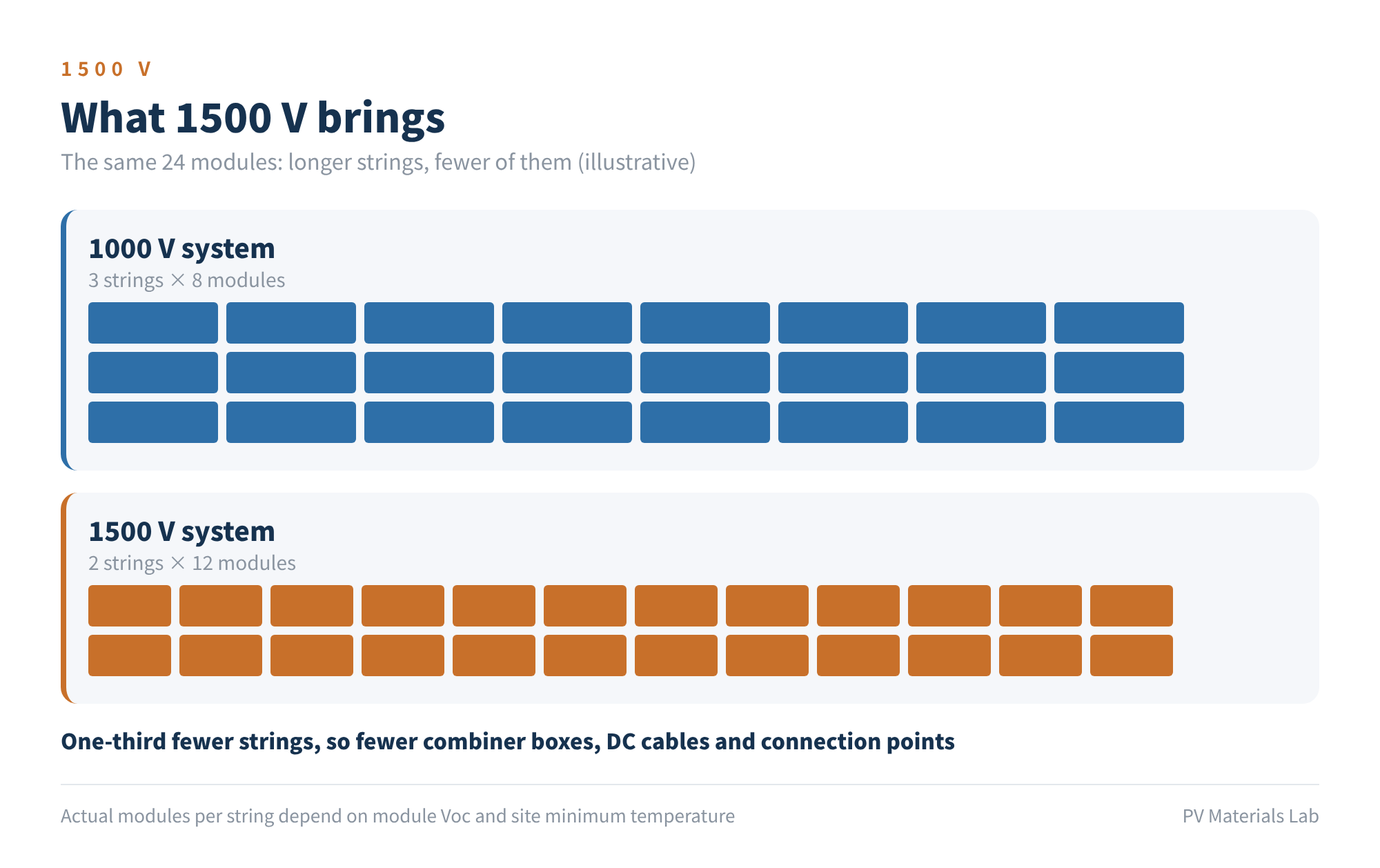
Figure 2 String layouts in 1000 V and 1500 V systems
Difference two: current. For the same cable size, Evo 2's rated current is a step higher. On the most common 4 mm² cable, MC4 is rated 39 A and Evo 2 45 A; on 10 mm² the gap is bigger, 45 A against 69 A.
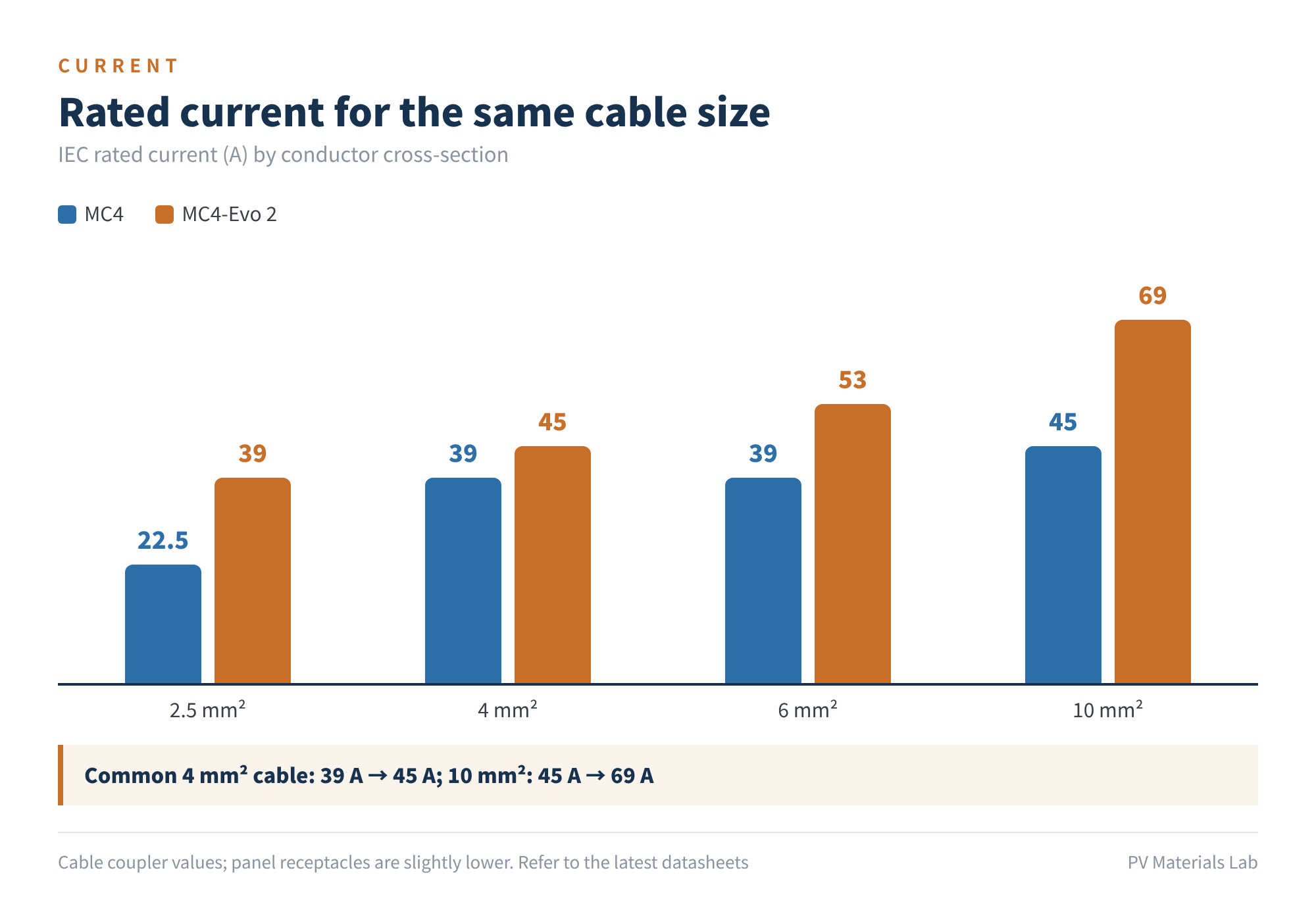
Figure 3 IEC rated current by conductor cross-section
Large-format modules now carry well over ten amps, approaching twenty. Add bifacial gain and design margins, and the headroom left for the connector in hot conditions keeps shrinking. Evo 2 restores that headroom.
Difference three: temperature and materials. The upper limiting temperature rises from 105 ℃ to 115 ℃, the housing changes from PC/PA to PA, and the nominal contact resistance drops from ≤0.25 mΩ to below 0.2 mΩ. Evo 2's datasheet also lists IEC TS 63126 Level 2, the technical specification aimed specifically at high-temperature operation.
Difference four: cable sealing and assembly. This is where problems most often arise in the field. The cable glands of the two models cover different cable outer diameters: in the current datasheets, MC4 has three ranges of 5.0–6.0, 5.5–7.4 and 7.0–8.8 mm, and Evo 2 has 4.7–6.4, 6.1–7.3 and 6.4–8.4 mm. The crimp contacts and matching tools must also be chosen by model, and one distributor's application note states plainly: MC4 crimping pliers are not suitable for Evo 2. When making up cables on site, prepare tools and seals for the specific model.
| Item | MC4 | MC4-Evo 2 |
|---|---|---|
| Rated voltage (IEC) | 1000 V (new datasheet, 2.5–6 mm²: 1100 V) | 1500 V |
| Rated voltage (UL) | 1500 V | 1500 V |
| Rated current, 4 mm² (IEC) | 39 A | 45 A |
| Rated current, 10 mm² (IEC) | 45 A | 69 A |
| Upper limiting temperature | 105 ℃ | 115 ℃ |
| Contact resistance | ≤ 0.25 mΩ | < 0.2 mΩ |
| Housing material | PC / PA | PA |
| Cable OD ranges | 5.0–6.0 / 5.5–7.4 / 7.0–8.8 mm | 4.7–6.4 / 6.1–7.3 / 6.4–8.4 mm |
| Ambient temperature | −40 to +85 ℃ | −40 to +85 ℃ |
| Degree of protection (mated) | IP65 / IP68 (1 m, 1 h) | IP65 / IP68 (1 m, 1 h) |
| Flame class | UL94-V0 | UL94-V0 |
Table 1 Main ratings of MC4 and MC4-Evo 2 (cable couplers; sources: Stäubli datasheets 11014112 K 06.2026 and 11014101 G 03.2023; refer to the latest versions)
03What has not changed
The contact system is untouched: the 4 mm pin, MULTILAM multi-point contact band and tin-plated copper contacts are all the same as on the MC4. The latch still needs a dedicated tool to release. Degree of protection, flame class and ambient temperature range are also the same.
So Evo 2 follows the same long-term reliability logic as the MC4, and twenty years of MC4 field data are just as relevant to it.
Some comparison materials say the MC4 lacks salt-mist and ammonia resistance. Stäubli's 2019 product catalogue lists both a salt-mist test (IEC 60068-2-52, severity 6) and an ammonia test for both models; the current MC4 datasheet likewise lists salt mist (severity 6) and ammonia testing, and the Evo 2 datasheet lists TÜV ammonia-resistance certification. This is not a point of difference.
04Can they be mated?
Yes, provided both halves are genuine Stäubli. Stäubli treats the two as one product family, and the Evo 2 datasheet states "mating compatibility with MC4 connector family", which meets the "same maker, same type" requirement in the standards.
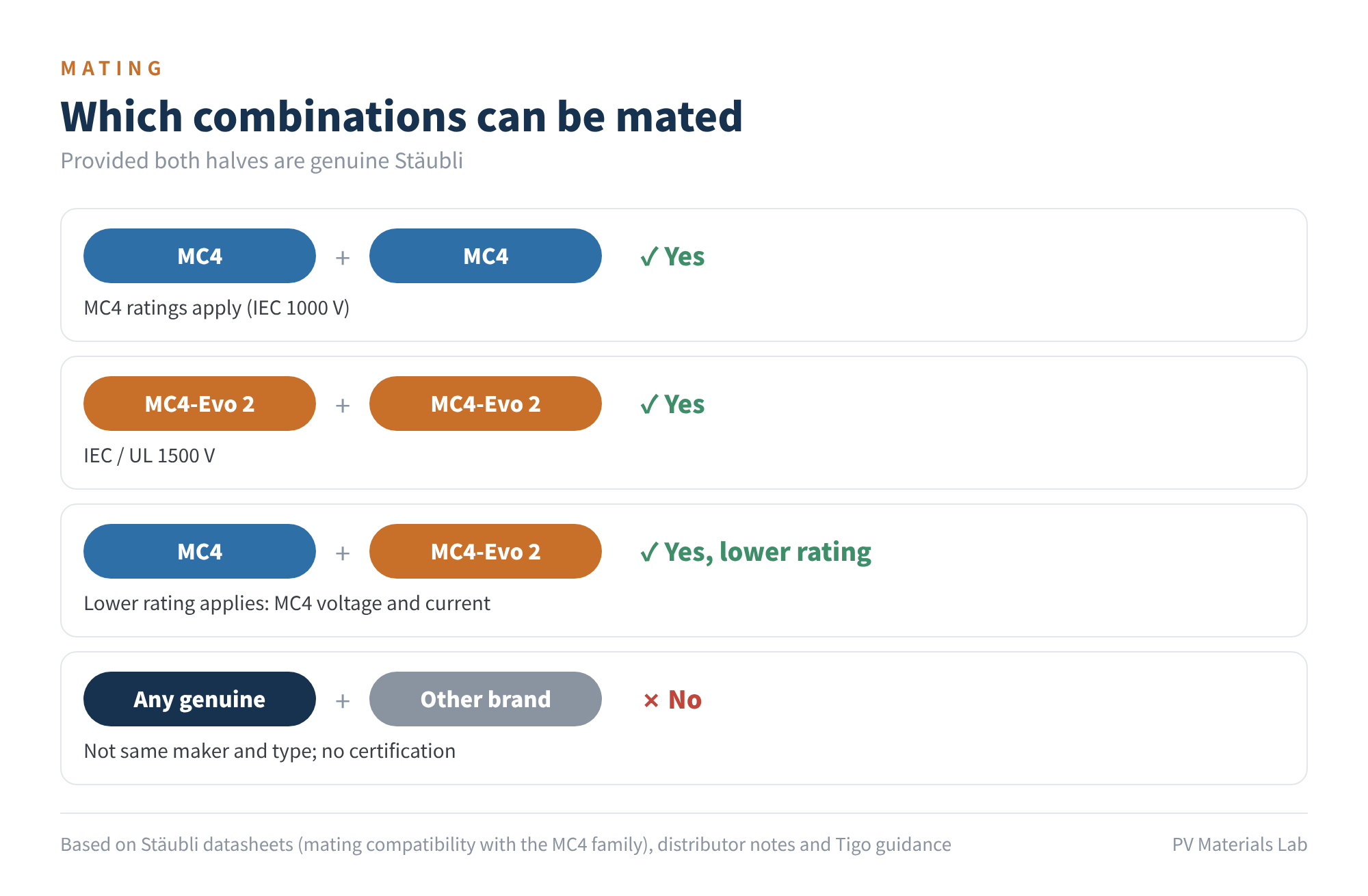
Figure 4 Mating rules for genuine MC4 / MC4-Evo 2
The rule to remember is that the lower rating applies. Once an MC4 is mated with an Evo 2, both the voltage and the current of that connection must be taken from the lower-rated side. The distributor application note and the Clean Energy Council (CEC) of Australia technical notice put it as: system voltage no higher than 1000 V. Tigo's technical note likewise requires using the lower voltage and current of the two.
On projects this plays out in two typical ways. A module with Evo 2 connected to a 1000 V inverter with MC4 ports is fine. The reverse, a single MC4 slipped into a 1500 V system, becomes the weak link of the whole circuit and must not be done.
As for other brands' "MC4-compatible" connectors, whether mated with MC4 or with Evo 2, they are outside the scope of certification.
05How to choose and how to tell them apart
- 1500 V ground-mounted plants: Use Evo 2 throughout the DC circuit: modules, extension leads, combiner boxes and inverter ports, with no downgrade anywhere.
- 1000 V residential and C&I rooftops: Both models qualify. Check which one the inverter and optimiser ports use, then decide on cost.
- Hot rooftops, BIPV and desert projects: Prefer Evo 2. Its upper limiting temperature is 10 ℃ higher, which is safer where rear ventilation is poor and ambient temperatures are high.
- Large cross-sections and high-current circuits: For 6 mm² and 10 mm² home-run and extension cables, Evo 2 has clearly more current headroom.
- Spare parts for O&M on older plants: Match the original model, and check crimping tools and seals along with it.
There are three ways to tell them apart, in increasing order of reliability:
- Look at the housing: Evo 2 has a ribbed structure.
- Look at the type designation: On the body and packaging, MC4 is PV-KST4 / PV-KBT4, while Evo 2 designations include "EVO 2" (for example PV-KST4-EVO 2A).
- Look at the documents: The connector model stated on the module nameplate, datasheet or installation manual is the one to go by.
System voltages are still rising. In September 2024 Stäubli launched the MC4-Evo 2000, rated for up to DC 2000 V system voltage and 70 A, with a housing in a new PC material and crimping that uses the Evo 2 tooling. For 2000 V systems the "lower rating applies" rule holds just the same: any 1500 V connection point in the circuit pulls the whole circuit back to 1500 V.
06Final thoughts
Evo 2 does not overturn the MC4. It keeps the same interface and the same contact technology, and raises each of the three ratings (voltage, current and temperature) by a step to suit 1500 V systems and high-current modules.
Choose by system voltage, install with the right tools and seals, and accept by checking the model.
Have your projects run into mixed MC4 and Evo 2 connectors? We would be glad to hear from you.
References
- Stäubli: MC4-Evo 2 datasheet (SOL-MC4-Evo-2-11014101, G 03.2023)
- Stäubli: Original MC4 datasheet (SOL-MC4-11014112, K 06.2026); Photovoltaic Main Catalog
- Stäubli: MC4-Evo 2000 product manual (11014087); TaiyangNews: "Staubli's Latest PV Connectors For DC Side Installation", Oct 2024
- Application Note: MC4 vs MC4-EVO2 Connectors (distributor application note)
- WINAICO Australia: Genuine MC4 vs MC4 Evo 2 Connectors (citing a CEC technical notice)
- Tigo Energy: Are MC4 and MC4-Evo2 Connectors Compatible with Tigo TS4 Products?
A PV R&D and technology team with 10+ years of experience | In-depth technical knowledge sharing
Materials · Reliability · Failure Analysis · Standards & Certification · Products · Processes
Exploring AI + PV; collaboration welcome
Disclaimer:
1. Original content reflects the authors' personal views only, is for reference only and does not constitute investment advice.
2. Reposted and cited content is credited to its source, out of respect for original work.
3. Some content was produced with AI assistance (chart generation, data retrieval, concept explanations, etc.); the core framework and key content were written by our technical team and reviewed by people.
4. If anything is inaccurate or infringes your rights, please leave a message or contact us and we will deal with it.